
In our modern age, where the environmental consciousness of both industries and consumers is at an all-time high, the conversation around industrial waste management has evolved significantly. No longer is waste merely discarded; today, it is viewed as a resource waiting to be harnessed. As industries expand, so does the waste they produce, making effective management strategies crucial. With a striking mix of ingenuity and necessity, we can transform waste into resources, fuel growth, and preserve our planet’s future. Let’s explore how industries can move from simply managing waste to valorizing it.
Understanding Industrial Waste: More Than Just Debris
Industrial waste, often perceived as a formidable challenge, encompasses a wide array of materials. From manufacturing by-products to residual food matter, the diversity in waste types demands targeted handling. Yet, instead of viewing waste as a mere problem, many industries are recognizing its potential for recovery and reuse.
Diverse Materials Demanding Specific Processes
Industries generate waste from various processes, each contributing unique materials that require specific handling. For instance, paper production discards large amounts of pulp, while food processing yields organic residues. Each of these by-products harbors the potential for recycling or energy extraction, turning perceived debris into viable products.
The Evolution of Waste Perception
Originally, waste was something to be eliminated, but the current mindset focuses on valorization. How can we harness this shift? By identifying waste’s inherent value, industries can strategically implement procedures that transform waste streams into valuable commodities. Sustainable production isn’t just a trend; it’s an opportunity to redefine waste as an asset.
Processes and Practices in Waste Management
Transforming industrial waste into a valuable resource requires a blend of innovative processes and established practices. Industries are now prioritizing a systematic approach to waste treatment, aiming to not only reduce environmental impact but also enhance sustainable practices.
Waste Treatment: From Reduction to Recovery
Effective waste management begins with understanding the nature of the waste. Treatment processes such as mechanical separation or biochemical treatment can substantially lower the volume of waste, preparing it for further valorization. By optimizing these processes, industries can achieve both cost savings and environmental benefits.
The Role of Technology and Innovation
technological advancements play a pivotal role in industrial waste transformation. Consider the cutting-edge methods developed to convert organic waste into biofuels. Similarly, innovative recycling technologies allow us to extract materials from wastes previously deemed unusable. By staying at the forefront of technology, industries can continuously refine their waste management strategies, turning challenges into opportunities for growth.
Energy Recovery: Powering Industries with Waste
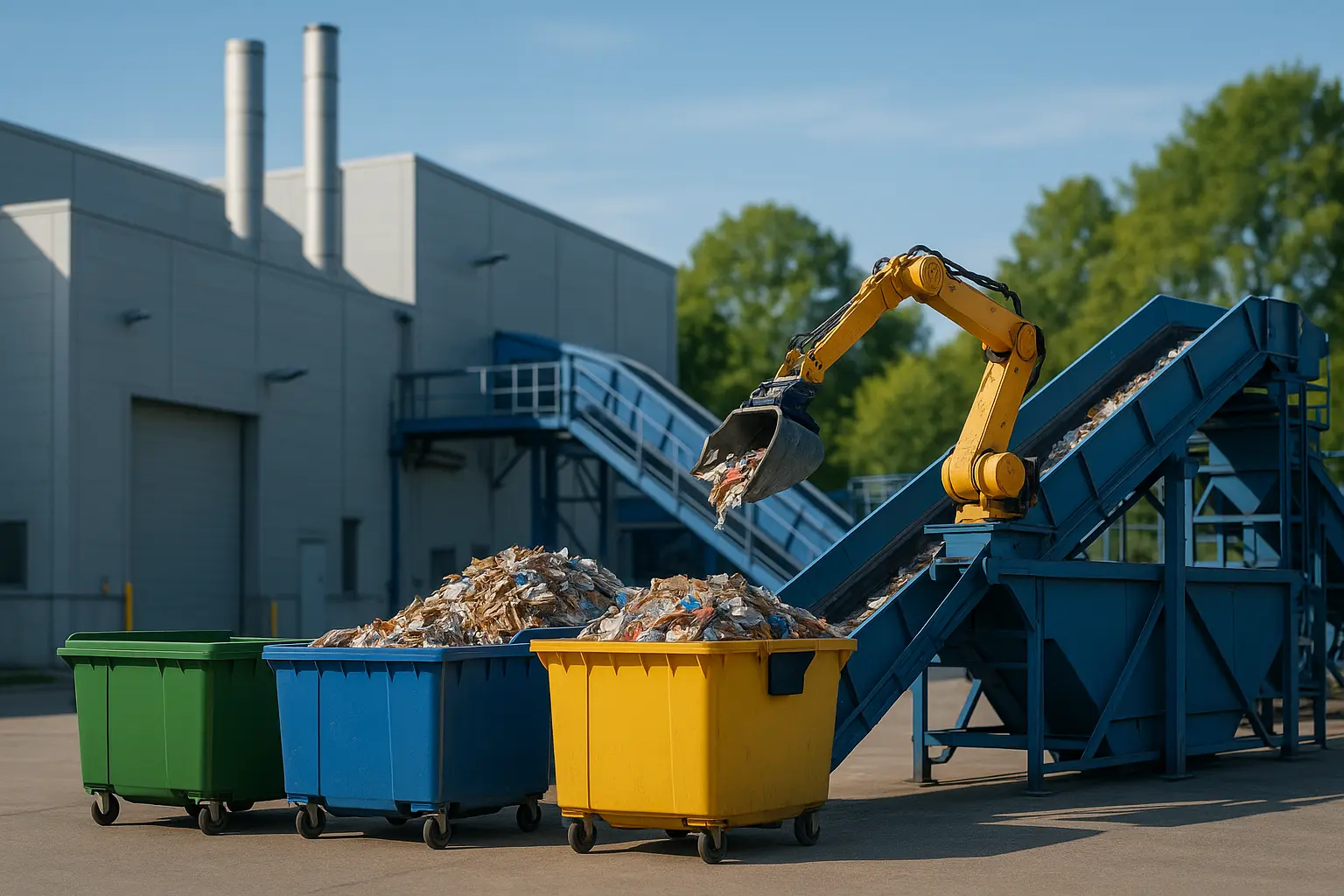
In the quest for sustainable and efficient resource use, the emphasis on energy recovery from waste is gaining traction. Industrial waste, once thought to be an unavoidable by-product, is now a potential power source that can sustain production cycles and reduce reliance on non-renewable energy.
From Waste to Energy: The Cycle
Waste-to-energy technologies offer a pathway to convert various waste types into usable energy. Incineration and anaerobic digestion are prime examples, transforming waste into electricity and heat. By integrating these processes, industries can reduce their ecological footprint while harnessing the energy potential of waste.
Economic and Environmental Benefits
The economic implications of energy recovery are profound. By producing energy in-house, industries can significantly cut operational costs. Moreover, environmental benefits include reduced greenhouse gas emissions and minimized landfill dependency, aligning with global sustainability goals.
Ultimately, the focus on energy recovery from waste not only supports industrial efficiency but also underscores a commitment to sustainable practices.
Valorization: Industrial Waste as a Resource
Valorization marks the ultimate progression from waste to wealth, a transformation driven by the need to utilize resources more efficiently. By viewing waste as a resource, industries can foster a circular economy where by-products are reintegrated into production cycles.
Innovative Valorization Techniques
Techniques such as materials recovery and chemical conversion are spearheading this transformation. For instance, spent coffee grounds are being repurposed into bio-based products, while waste plastics find new life as building materials. These practices highlight how diverse waste streams can be creatively valorized.
The Broader Impact on Industrial Practices
By adopting valorization, industries can shift from linear production models to sustainable systems. This approach not only reduces waste but also creates new revenue streams, enhancing environmental stewardship. Such practices demonstrate a commitment to responsible industrial growth and have far-reaching implications for both business and the planet.
In transforming industrial waste from a liability to an asset, we’ve discovered a pathway to more sustainable and efficient industrial practices. As industries adopt advanced waste management techniques, they pave the way for a future where waste is not just managed but harnessed.
By valuing waste as a catalyst for innovation and growth, we can contribute to a sustainable economy, reduce environmental burdens, and create a more resilient industrial landscape. The journey of waste valorization is not merely an option—it’s a necessity for the future we envision.
FAQ
What are the primary strategies for reducing industrial waste?
The key strategies for minimizing industrial waste include process optimization, material substitution, recycling and reuse initiatives, and implementing lean manufacturing practices. These approaches help in reducing the amount of waste generated at the source.
How can industries repurpose waste materials?
Industries can repurpose waste materials through various methods such as converting waste into energy, using by-products in other industrial processes, and transforming waste into new raw materials or products through chemical or physical processes.
What role does technology play in waste valorization?
Technology is crucial in waste valorization as it enables the efficient transformation of waste into valuable products. Innovations such as advanced recycling techniques, chemical conversion processes, and biotechnological methods enhance the ability to convert waste into energy, raw materials, or other valuable outputs.
What are the environmental benefits of effective industrial waste management?
Effective waste management reduces environmental pollution, conserves natural resources, and lowers greenhouse gas emissions. It also supports sustainable development by promoting the reuse and recycling of materials, ultimately leading to a smaller ecological footprint.
How can companies ensure compliance with waste management regulations?
Companies can ensure compliance by staying updated with local, national, and international waste management laws, implementing robust waste management systems, conducting regular audits, and engaging with industry best practices. This proactive approach helps in aligning with regulatory requirements and avoiding potential legal issues.