

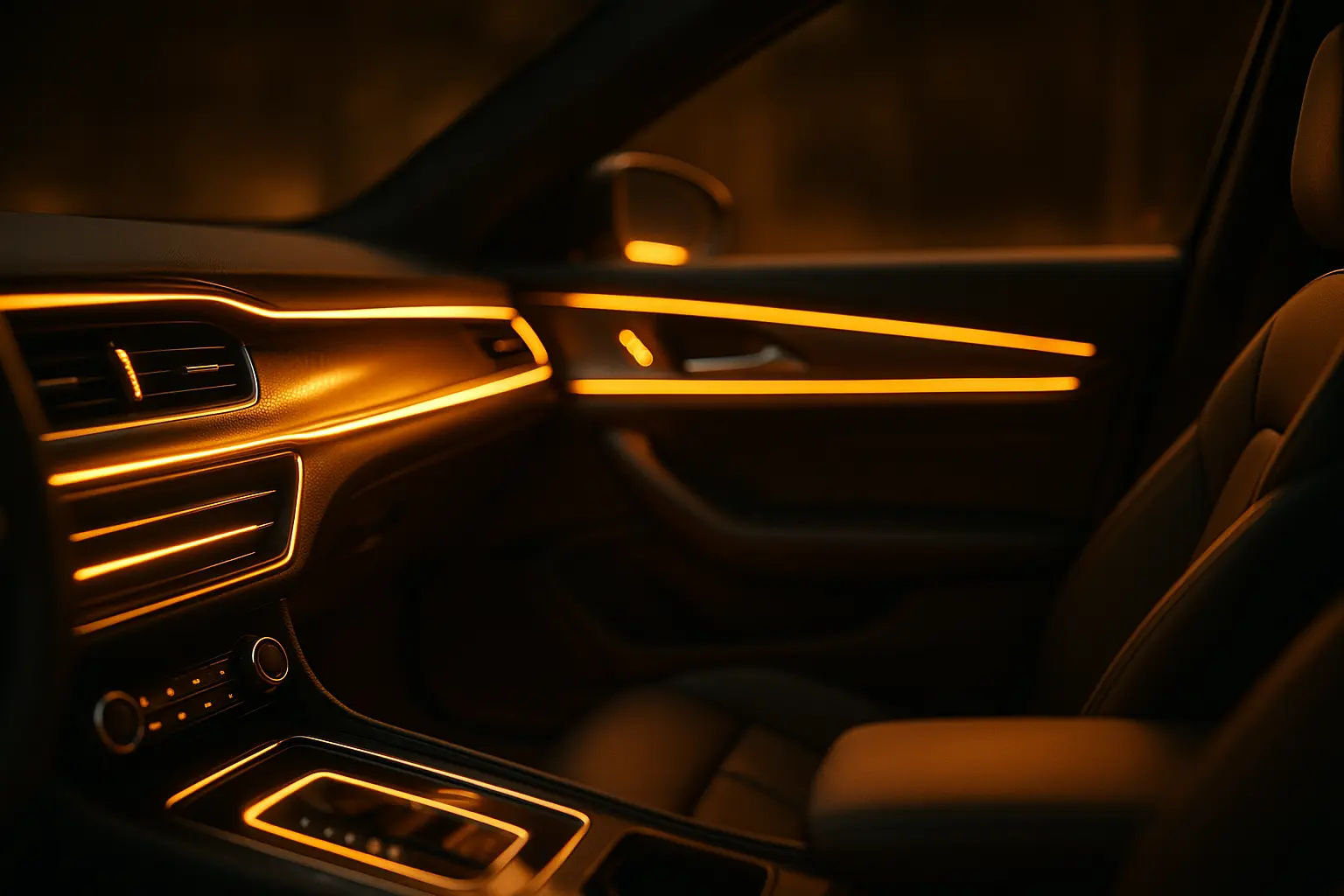
In today’s fast-paced world, lighting is not just about visibility; it’s about crafting experiences and optimizing our environments for energy efficiency and visual appeal. As we glide into the era of modern design and advanced technology, onboard lighting systems have become a focal point for innovation. From enhancing the energy efficiency of our vessels to creating captivating atmospheres, the role of lighting extends beyond mere functionality.
Whether we’re discussing the latest LED technology or exploring new ways to control light levels, our aim is to illuminate the path forward. Join us as we delve into the art and science of onboard lighting, exploring how brightness, color, and design can transform spaces while respecting our environment.
The Evolution of Onboard Lighting Design
Lighting systems have evolved from basic sources of light to sophisticated networks designed to optimize visibility and ambiance. As our understanding of light has deepened, so too has our approach to using it onboard vessels.
Historically, onboard lighting was about survival and safety, ensuring that vessels could be seen and navigated at night. But as technology evolved, so did our ambitions. LED lights have transformed the landscape by consuming less energy and offering a vast array of colors and brightness options. This evolution allows us to design lighting systems that are as functional as they are beautiful.
We can now tailor lighting to match the unique demands of different areas onboard. From the bridge’s need for high brightness to enhance navigation to the softer glow required in passenger cabins, the ability to control lighting based on context has never been more critical.
With the advent of smart technology, we’re also seeing innovations in controlling these systems. Data-driven insights allow us to optimize light consumption, reducing power usage while maintaining quality. This modern approach not only enhances the onboard experience but also aligns with our commitment to environmental sustainability.
Harnessing the Power of Light for Efficiency
In the quest for efficiency, lighting systems have become integral to reducing energy consumption aboard vessels. LED lighting, known for its durability and longevity, offers a solution that aligns with both economic and environmental priorities.
With LED technology, we can achieve a significant decrease in the wattage consumed without sacrificing brightness. The versatility of LEDs allows for various color temperatures, making it possible to adapt the lighting ambiance to suit different needs. This adaptability ensures that we can maintain high levels of efficiency across all areas of a vessel.
Moreover, the integration of intelligent control systems facilitates the precise management of lighting. Sensors and automation help regulate light levels based on occupancy and natural light, further enhancing efficiency. This not only reduces power consumption but also extends the lifespan of lighting systems, creating a sustainable operational model.
The ability to adjust lighting dynamically also means we can enhance the overall passenger and crew experience. By creating a harmonious blend of natural and artificial light, we contribute to a more pleasant environment onboard, catering to both functional and aesthetic expectations.
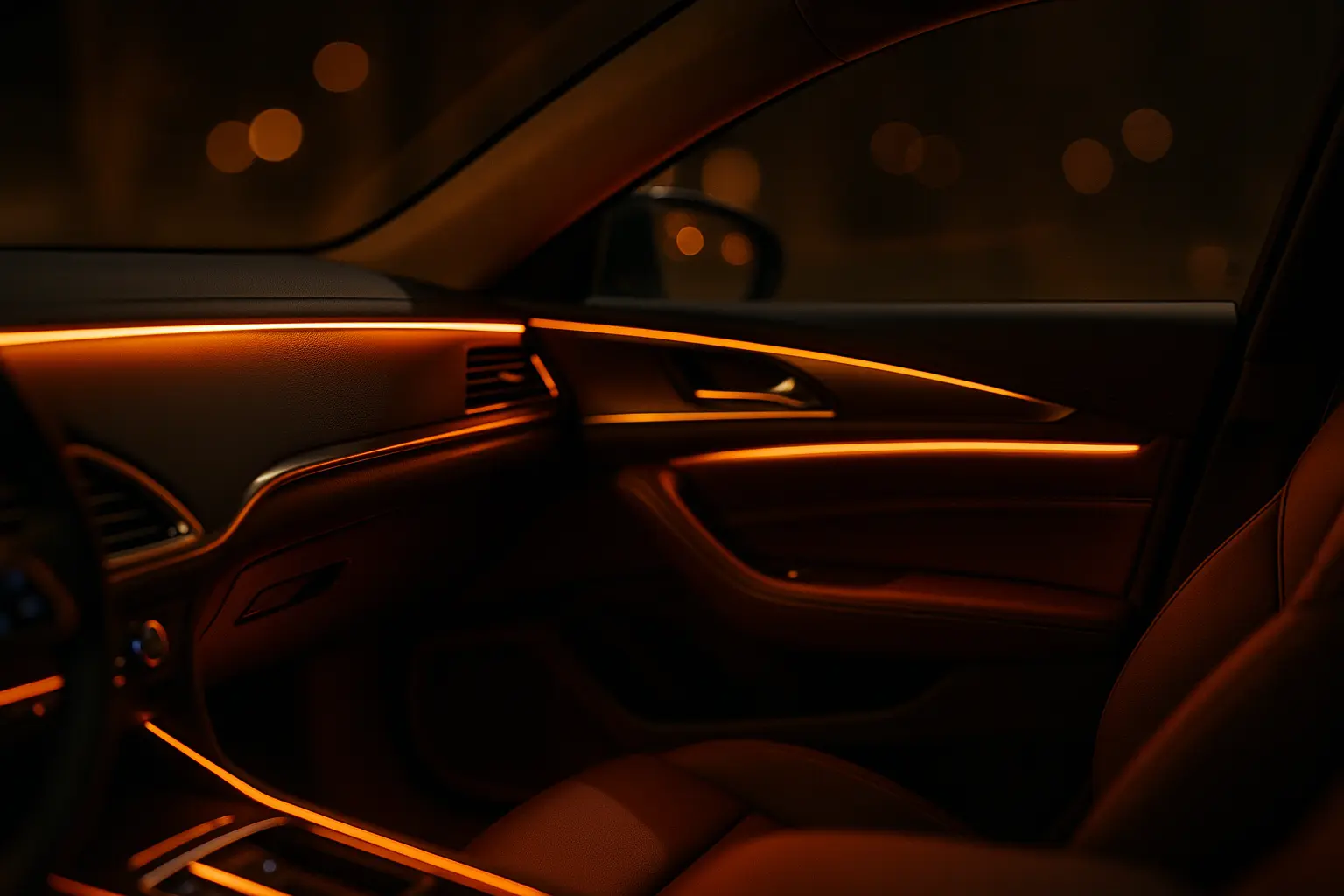
Designing Atmospheres with Color and Brightness
designing with light is an art that balances color, brightness, and form to create distinct onboard atmospheres. The interplay between these elements is crucial in crafting environments that are not just visually appealing but also emotionally resonant.
Color plays a pivotal role in setting the tone of an area. Warm colors might evoke comfort and relaxation in lounges, while cooler tones can suggest calm and focus in more functional spaces like control rooms. The ability to manipulate color temperatures allows us to simulate natural light patterns, improving well-being and productivity.
Brightness levels also contribute significantly to design. By adjusting the intensity of lighting, we can highlight architectural features, guide movement, and create focal points within spaces. A well-lit interior not only enhances visibility but also improves safety and security onboard.
Through careful planning and design, we can create seamless transitions from one environment to another, maintaining a consistent mood while catering to the specific needs of each space. Ultimately, the goal is to ensure that every area of a vessel feels both purposeful and inviting, supporting the overall onboard experience.
Advanced Control Systems: The Future of Lighting
As we venture further into the digital age, the concept of controlling lighting systems through advanced technology has become a reality. Today’s intelligent systems offer unparalleled control, allowing us to fine-tune lighting based on both human and environmental factors.
Modern lighting control systems are equipped with sensors that monitor various parameters, such as ambient light levels and occupancy. These systems can automatically adjust lighting to optimize energy use, enhancing efficiency without compromising on quality.
Wireless connectivity enables control from remote locations, offering flexibility and convenience. This is particularly beneficial for vessel operations, where centralized control can streamline management and reduce errors.
Moreover, data-driven insights generated by these systems allow us to analyze trends and predict maintenance needs, ensuring that lighting systems remain in peak condition. This proactive approach not only minimizes downtime but also contributes to overall cost savings.
As we continue to innovate, the future of onboard lighting looks bright. Intelligent systems promise to revolutionize the way we think about lighting, offering solutions that are as dynamic as the environments they illuminate.
Conclusion: Lighting the Way to the Future
In the ever-evolving landscape of onboard lighting, we find ourselves at the intersection of innovation and tradition. Light is no longer a mere utility; it is a powerful tool that shapes experiences and influences our interactions with the world around us.
From optimizing energy efficiency with advanced LED systems to crafting unique atmospheres through strategic design choices, our approach to lighting continues to evolve. As we look to the future, we are excited by the possibilities that lie ahead— a future where intelligent control systems and data-driven insights lead the way.
Let us embrace the potential of modern lighting technology, ensuring that our vessels are not only well-lit but also environmentally responsible and aesthetically pleasing. Together, let’s continue to light the way towards a brighter, more sustainable future.
FAQ
What are the benefits of using onboard lighting to create unique atmospheres?
Onboard lighting can transform the ambiance of a vehicle, enhancing the overall passenger experience. It provides a customizable atmosphere that can be tailored to suit different moods or occasions. Additionally, it adds a touch of luxury and can make the interior feel more modern and inviting.
How can onboard lighting optimize visibility inside a vehicle?
Onboard lighting improves visibility by illuminating areas that might otherwise remain dark or shadowed, such as footwells, storage compartments, and door handles. This ensures that passengers can easily locate items and navigate the interior of the vehicle, especially in low-light conditions.
What are some popular types of onboard lighting used to enhance vehicle interiors?
Popular types of onboard lighting include LED strips, ambient lighting, spotlights, and reading lights. These can be strategically placed to highlight key features or provide a gentle glow throughout the cabin, contributing to both aesthetic appeal and functional illumination.
Can onboard lighting be customized to suit personal preferences?
Yes, many onboard lighting systems offer customization options, allowing users to change colors, brightness levels, and even lighting patterns. This flexibility enables individuals to personalize their vehicle’s interior lighting to match their personal style or the specific atmosphere they wish to create.
Are there energy-efficient options for onboard lighting?
LED lights are highly energy-efficient and commonly used for onboard lighting solutions. They consume less power than traditional bulbs, have a longer lifespan, and produce less heat, making them an eco-friendly choice that doesn’t compromise on performance or aesthetic quality.