

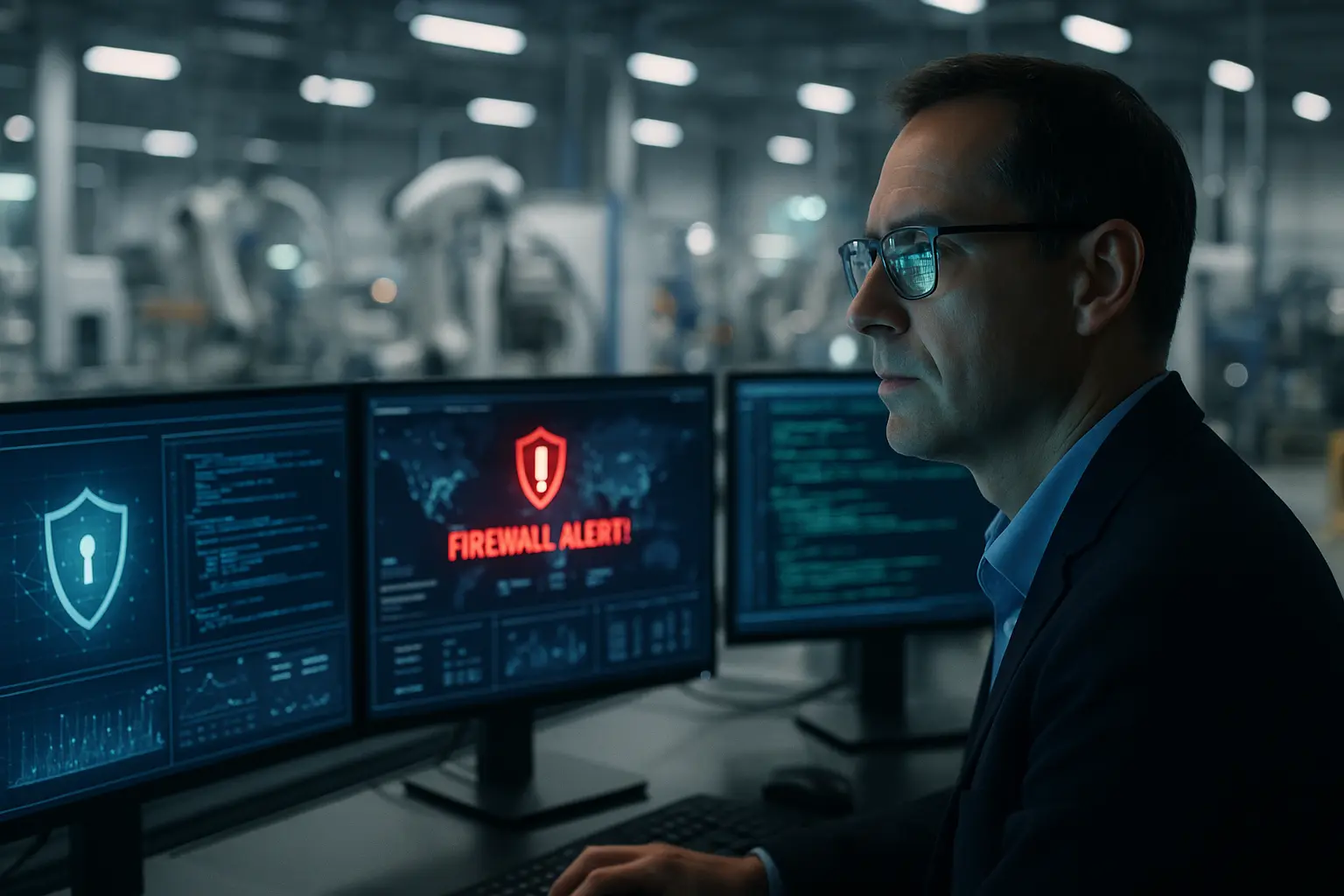
In the ever-evolving landscape of cybersecurity, manufacturing organizations find themselves at a critical juncture. With cyberattacks becoming increasingly sophisticated, the need to protect our systems and data has never been more pressing. As one of the most targeted sectors, manufacturers face unique threats that demand proactive measures. Let’s delve into the modern challenges and solutions that can help safeguard your business from cyber intrusions.
Understanding the Cyber Threat Landscape in Manufacturing
The manufacturing sector, once considered a fortress with its critical infrastructure, has now become a prime target for cyberattacks. Our reliance on interconnected devices and automated systems makes us vulnerable to a myriad of threats. From ransomware to espionage, the stakes are high, and the potential damage is vast.
With sophisticated hackers eyeing our data and business operations, it’s crucial to adopt a robust security posture. The integration of IoT and smart manufacturing technologies, while driving efficiency, also exposes us to potential breaches. In this context, cybersecurity is not just a technical requirement but a business imperative that demands our constant attention.
We must recognize that cyber threats in manufacturing extend beyond just data theft. Disruption of production lines, compromised product quality, and unauthorized access to proprietary information are genuine risks. The implications stretch far beyond financial loss, potentially affecting organizations‘ reputations and customer trust.
To navigate this treacherous landscape, it’s vital to stay informed and proactive. By understanding the specific threats pertinent to our industry, we can better tailor our security measures to protect our business and ensure its longevity.
Implementing Robust Security Measures
In our quest to mitigate cyber risks, implementing comprehensive security measures is paramount. A multi-layered approach ensures that we are not only defending our systems from external threats but also fortifying them against internal vulnerabilities.
Access control is a cornerstone of this strategy. By adopting stringent user authentication and role-based access policies, we significantly reduce unauthorized entry into our systems. Coupled with regular audits and monitoring, this ensures that only authorized personnel can interact with critical business data and devices.
Moreover, investing in advanced security technologies, such as intrusion detection and prevention systems, equips us with the tools to identify and neutralize potential attacks before they wreak havoc. These technologies, combined with a comprehensive incident response plan, enable us to respond swiftly and effectively to any cyber threats that may arise.
Training and awareness are also critical. By cultivating a cyber-aware culture within our organizations, we empower our teams to recognize and respond to potential threats. Regular training sessions and simulations help reinforce security protocols and ensure everyone is aligned with best practices.
Finally, collaboration with external cybersecurity experts can provide valuable insights and guidance, ensuring our defenses remain robust and in tune with the latest threats. Together, these measures form a formidable shield against the myriad cyberattacks targeting our industry.
Protecting Your Manufacturing Systems from Cyberattacks
Our manufacturing systems lie at the heart of our operations. Any disruption can have ripple effects, impacting production, distribution, and ultimately, customer satisfaction. Protecting these systems from cyberattacks is a priority that requires strategic foresight and meticulous planning.
One of the first steps is conducting a thorough risk assessment to identify vulnerabilities within our network. This assessment should be exhaustive, considering both hardware and software components as potential entry points for cyber threats. Regular updates and patches play a crucial role in closing these gaps, ensuring our systems are resilient against known vulnerabilities.
Segmentation of our network is another effective strategy. By creating isolated systems for different parts of our operations, we can contain any potential breaches, preventing them from spreading across our entire infrastructure. This approach limits the damage a single compromised device can cause, safeguarding our critical production lines.
Moreover, implementing robust encryption protocols ensures that sensitive data remains secure, even if intercepted. Encryption protects our proprietary information from prying eyes, maintaining the integrity and confidentiality of our business secrets.
Ultimately, the key to defending our manufacturing systems lies in a proactive mindset. Staying informed about emerging cyber threats and continuously evolving our security measures ensures we remain one step ahead of potential adversaries.
The Role of Cybersecurity Culture in Business Success
In the digital age, a strong cybersecurity culture is synonymous with business resilience. For manufacturers, cultivating this culture is not merely an option—it’s essential for survival and success. By embedding cyber awareness into our organizational ethos, we not only protect our data and systems but also enhance our overall operational security.
Building a cyber-aware culture starts with leadership. When top executives champion security initiatives, it sets the tone for the entire organization. This top-down approach ensures that every team member recognizes the importance of cybersecurity and their role in upholding it.
Education is the cornerstone of this cultural shift. Regular training sessions, workshops, and drills help keep our teams abreast of the latest security practices and potential threats. By empowering our employees with knowledge, we create a proactive workforce capable of identifying and responding to cyberattacks with confidence.
Furthermore, fostering collaboration across departments breaks down silos, creating a unified front against cyber threats. By encouraging open communication and reporting of suspicious activities, we can quickly address vulnerabilities and prevent potential attacks.
Ultimately, a robust cybersecurity culture is a strategic asset. It not only protects our business from cyber threats but also instills trust and confidence among our clients and partners. As we move forward, nurturing this culture will be pivotal in navigating the complexities of the digital landscape.
In the face of mounting cyber threats, the onus is on us to safeguard our manufacturing businesses. By comprehensively understanding the threat landscape, implementing robust security measures, protecting our systems, and fostering a strong cybersecurity culture, we can turn these challenges into opportunities.
As professionals, it’s incumbent upon us to remain vigilant and adaptable. The cyber world is dynamic, and so too must be our defenses. Help your business not only survive but thrive by prioritizing security and innovation.
In this battle against cyberattacks, let’s fortify our defenses, adapt to new realities, and emerge stronger. Together, we have the power to shape a resilient future for our industry.
FAQ
What are the first steps to secure a factory from cyber threats?
The initial steps involve conducting a comprehensive risk assessment to identify potential vulnerabilities. Following this, it’s crucial to implement a robust cybersecurity policy, ensuring that all systems are up-to-date and employees are trained to recognize potential threats.
How can employee training help in preventing cyberattacks?
Employee training is vital as it equips staff with the knowledge to identify and report suspicious activities. Regular training sessions can help employees understand the significance of cybersecurity measures and the role they play in maintaining a secure environment.
What role does network segmentation play in enhancing factory security?
Network segmentation involves dividing a network into multiple, smaller segments. This strategy limits the spread of a potential breach, ensuring that if one section is compromised, the rest of the network remains secure. It serves as a critical barrier against widespread cyber threats.
Why is it important to regularly update software and systems?
Regular updates are crucial because they often contain patches for known vulnerabilities that cybercriminals could exploit. Keeping all software and systems up-to-date ensures that your factory is protected against the latest threats.
How can monitoring systems help detect and respond to cyber incidents?
Monitoring systems provide real-time insights into network activities, enabling the swift detection of unusual patterns or unauthorized access. By promptly identifying potential threats, these systems allow for quick response actions, minimizing the potential damage of a cyber incident.