

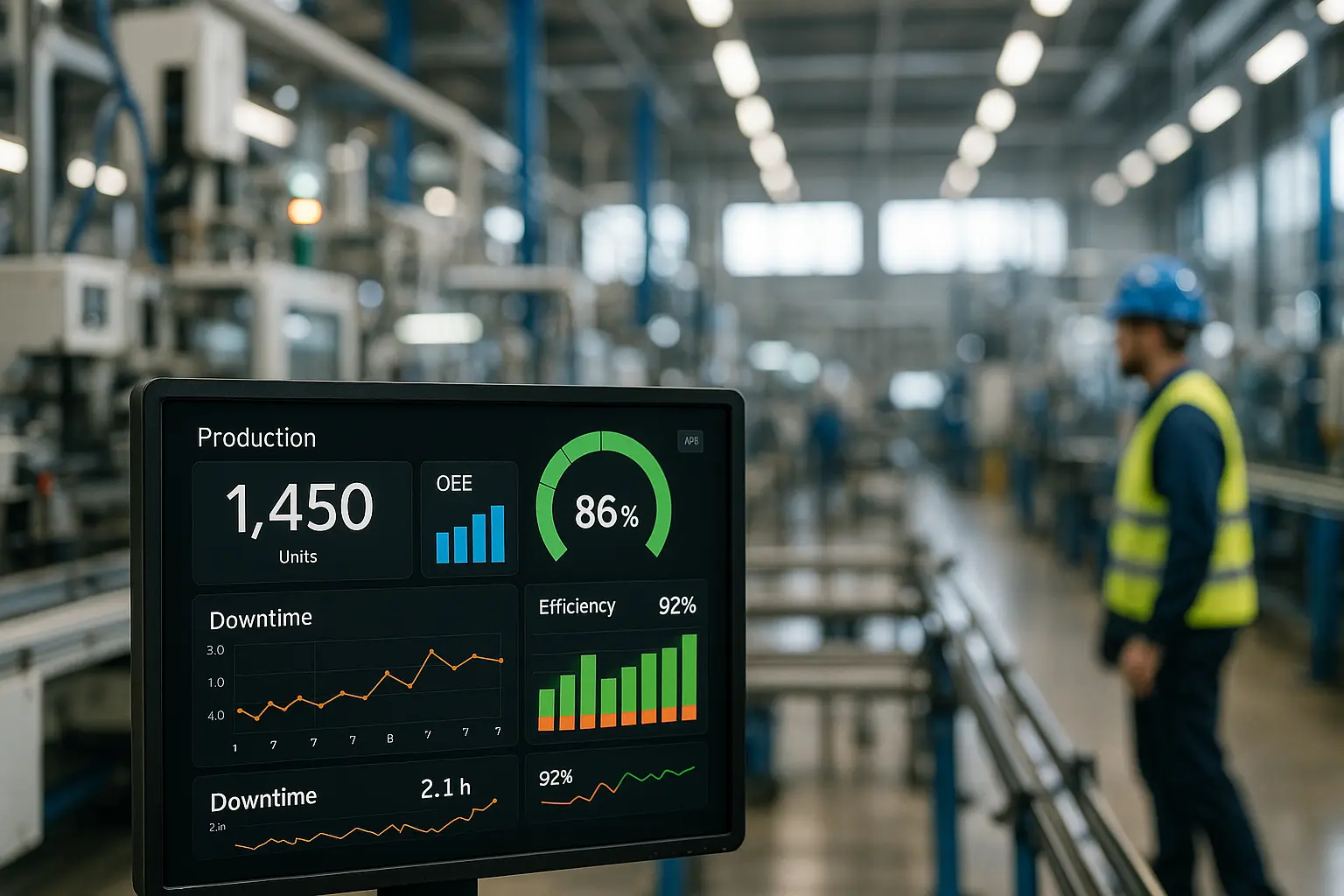
In the fast-paced world of manufacturing, where every second counts, the ability to accurately measure performance is not just an advantage—it’s a necessity. We find ourselves at a pivotal moment in industry where data-driven decisions can significantly enhance production outcomes. The concept of Key Performance Indicators (KPIs) in factory settings has emerged as a linchpin for ensuring optimal business operations. As the realm of manufacturing evolves, aligning our KPIs with our strategic goals can be the determining factor in our company’s success. Let’s delve deeper into setting up an effective performance measurement system in your factory, a cornerstone for driving business excellence.
Understanding KPIs in Manufacturing
When we talk about KPIs in a manufacturing context, we’re referring to quantifiable measures that enable us to track and assess our company’s performance. These indicators not only provide a snapshot of current production efficiency but also guide us in pinpointing areas for improvement.
Key Metrics to Consider
- Total Cost: A cornerstone metric, total cost, involves not just the obvious expenses but also indirect costs like downtime, maintenance, and unexpected repairs. By evaluating the comprehensive picture of costs, we gain insights into potential areas for cost-saving and optimization.
- Production Rate: Often seen as the heart of manufacturing KPIs, the production rate gives us a clear view of throughput. It allows us to gauge if we’re meeting our business objectives and goals.
- Downtime: This metric is crucial as it highlights non-productive periods. By understanding the causes behind downtime, be it equipment failure or labor issues, we can devise strategies to minimize disruptions.
- Quality Metrics: Ensuring a high-quality output is paramount. Analyzing defect rates or return rates helps us maintain standards.
By integrating these metrics into our regular assessment routine, we can create a detailed performance map, highlighting areas of strength and those needing attention.
Implementing a KPI System
The successful implementation of a KPI system requires a structured approach. It’s not enough to merely choose metrics; the strategy lies in seamlessly incorporating them into our everyday manufacturing processes.
Steps for Seamless Integration
- Identify Objectives: Before diving into specifics, we must be clear about what we wish to achieve. Are we aiming to reduce costs, improve quality, or increase efficiency? Clear objectives guide our KPI selection.
- Select Relevant KPIs: Based on our objectives, selecting the most relevant KPIs ensures alignment with our business goals, making the system more effective.
- Data Collection: A pivotal step is establishing mechanisms for consistent and accurate data collection. This will involve training our team and perhaps investing in modern data collection tools.
- Analysis and Feedback: Regularly review collected data to glean insights. Coupling data analysis with feedback loops ensures continuous improvement in our performance.
Implementing these steps with precision ensures that our KPI system is not just a theoretical framework but a practical tool driving real-world improvements.
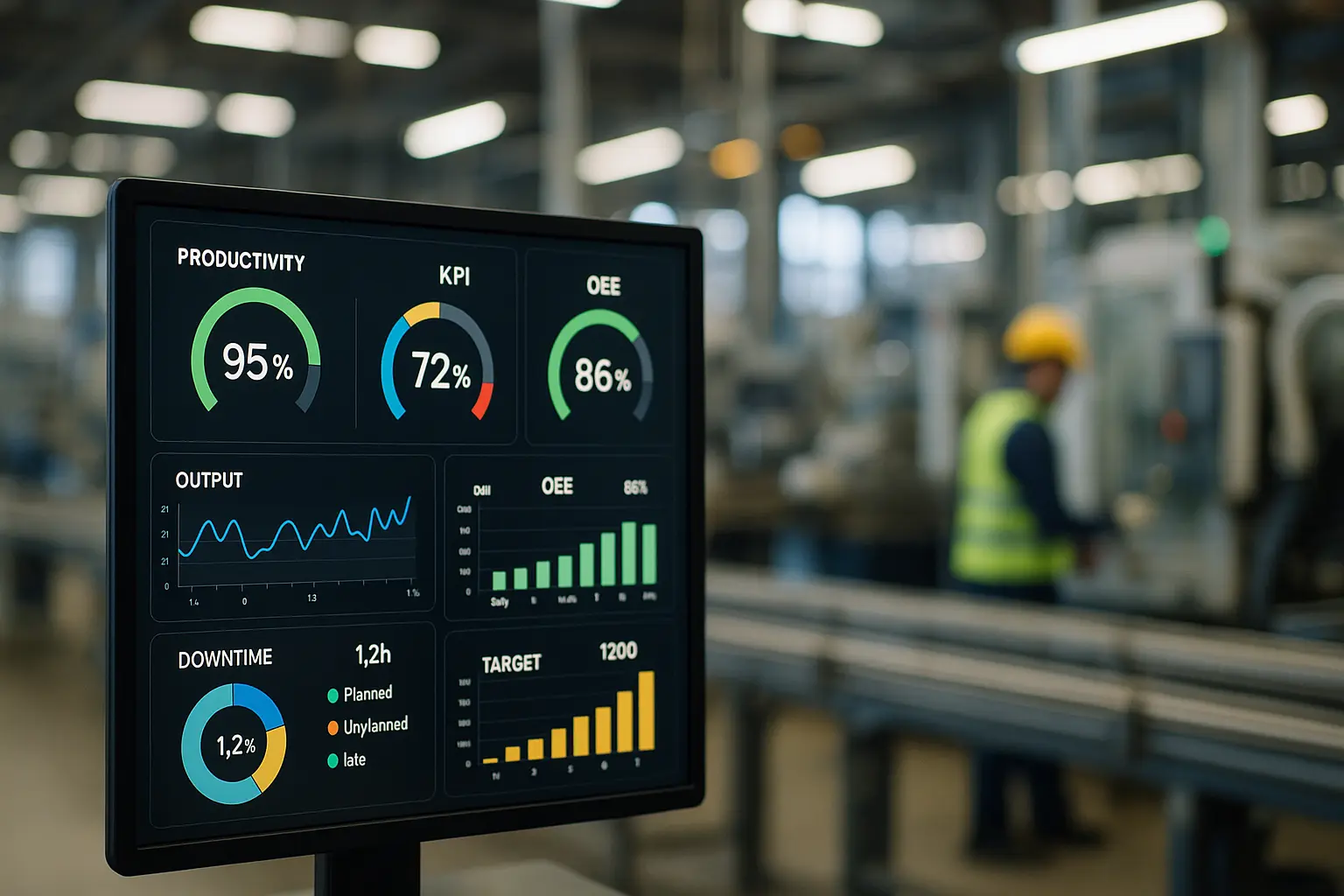
Challenges in KPI Measurement and How to Overcome Them
While establishing a KPI system is instrumental, it’s not without pitfalls. Recognizing potential challenges beforehand empowers us to mitigate them effectively.
Common Challenges
- Data Overload: With the advent of digital transformation, we may face an overwhelming amount of data. It’s essential to filter out noise and focus on what’s truly impactful.
- Resistance to Change: Introducing a new system can face resistance from staff accustomed to traditional methods. Transparent communication and training can help ease this transition.
- Misalignment of KPIs: Sometimes the chosen KPIs may not align with our overall goals. Regularly revisiting and refining our metrics ensures they remain relevant.
- Inconsistent Data Collection: Inaccuracy in data gathering can skew our insights. Regular audits and checks are vital to ensuring data integrity.
By addressing these challenges head-on, we not only sustain but enhance our KPI system’s effectiveness.
Leveraging Technology for Enhanced Performance
In today’s technological landscape, leveraging modern tools significantly boosts our KPI system’s efficiency. The integration of technology is no longer a luxury but a necessity for competitive business operations.
Technological Aids
- Data Analytics Tools: Advanced analytics platforms allow us to derive actionable insights from complex data sets. These tools help in visualizing data trends and patterns, aiding informed decision-making.
- IoT Devices: Internet of Things (IoT) devices enable real-time monitoring of machinery and processes, minimizing downtime and optimizing performance.
- Cloud-Based Solutions: These solutions ensure that data is accessible to all stakeholders, fostering collaboration and prompt decision-making.
- AI and Machine Learning: Predictive maintenance and quality analysis become feasible with the integration of AI, enhancing quality and reducing unexpected costs.
The correct amalgamation of these technologies not only augments our KPI system but also propels our manufacturing operations into the future.
As we stand on the cusp of a rapidly evolving manufacturing landscape, our focus on KPIs provides us the compass to navigate complexities. The journey towards optimal performance is ongoing, requiring regular reflection and adaptation. By embedding a robust KPI culture within our organizations, we ensure our business not only survives but thrives in the competitive market. Let us embrace the power of data and metrics to drive our manufacturing success story forward.
FAQ
What are the initial steps to take when setting up a KPI system in a factory?
Begin by identifying the primary goals of your factory. Understand the critical processes that drive these goals and determine the key performance indicators that will most effectively measure these processes.
How can I ensure that the selected KPIs are effective and relevant?
To ensure KPIs are effective and relevant, align them with the strategic objectives of the factory. Engage stakeholders in discussions to understand their expectations, and make sure the KPIs are specific, measurable, achievable, relevant, and time-bound (SMART).
What tools or software are commonly used for monitoring KPIs in a manufacturing environment?
Common tools include business intelligence software like Tableau or Power BI, as well as manufacturing-specific platforms like OEE (Overall Equipment Effectiveness) monitoring systems or ERP (Enterprise Resource Planning) systems that offer KPI dashboards.
How frequently should KPI data be reviewed and analyzed?
The frequency of review should depend on the nature of the KPI. For production efficiency, daily or weekly reviews might be necessary, while strategic KPIs might be reviewed monthly or quarterly. Regular analysis helps in making timely decisions and adjustments.
What steps should be taken if a KPI indicates underperformance in a specific area?
Identify the root cause of the underperformance using techniques like the 5 Whys or fishbone diagrams. Once identified, develop a corrective action plan, implement the changes, and monitor the KPI closely to assess improvement.